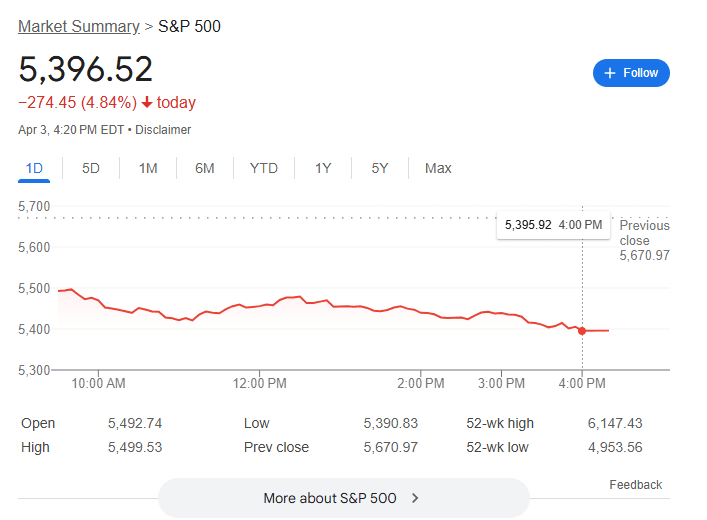

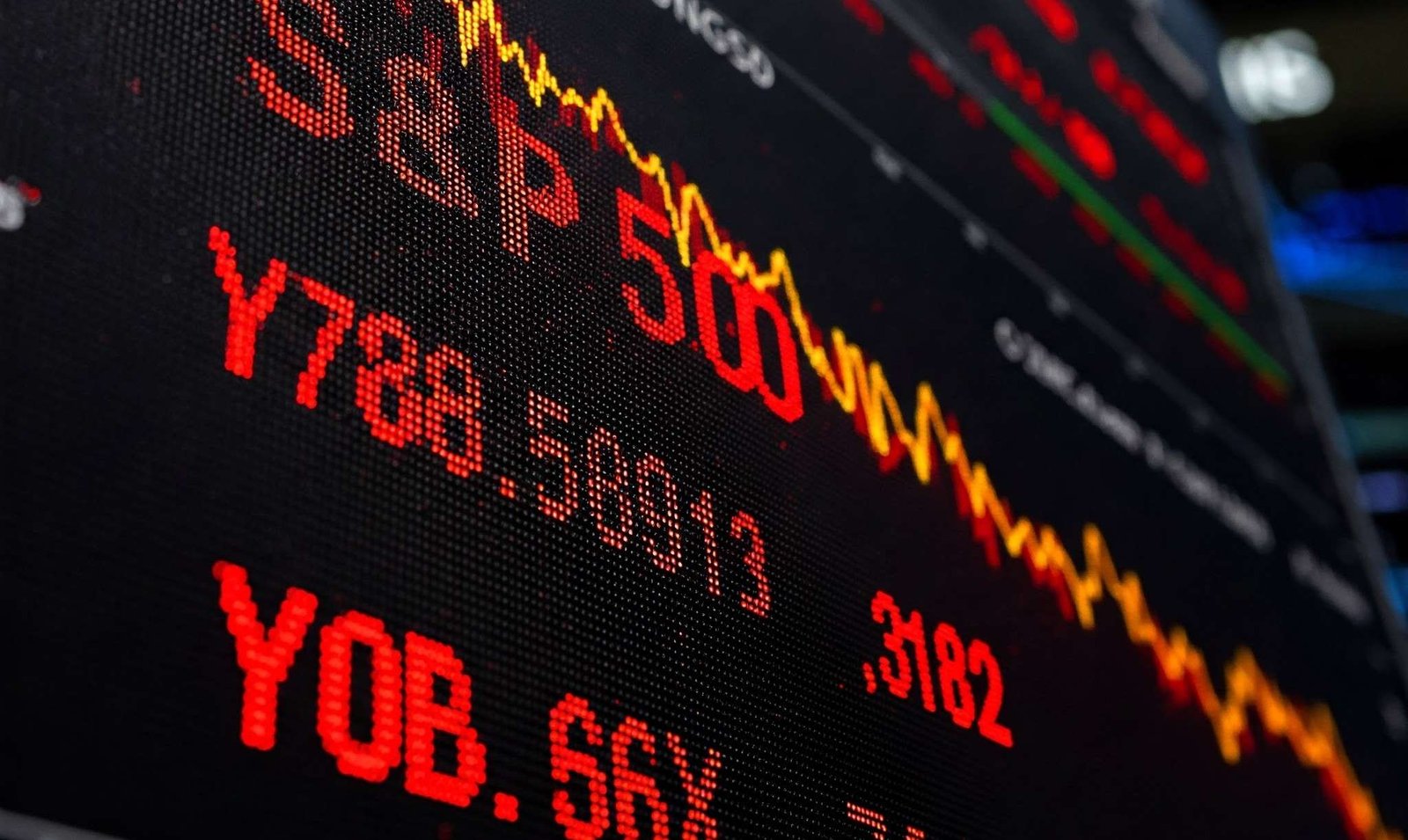
Navigating the turbulent waters of the modern stock market demands a keen understanding of the myriad forces that drive its fluctuations. Recent downturns in major indices like the S&P 500, Nasdaq, and Dow Jones have left many investors apprehensive. To shed light on these market movements, we must delve into the complex interplay of economic factors, policy decisions, and investor sentiment.
The Weight of Trade Tensions and Tariff Impacts
One significant catalyst for market unease is the resurgence of trade tensions, particularly the re-implementation and escalation of tariffs. These policies disrupt established supply chains, introducing uncertainty and driving up costs for businesses. This ripple effect ultimately impacts profitability, leading to a decline in investor confidence. The unpredictable nature of international trade policies creates a climate of anxiety, where businesses struggle to plan for the future, and investors react by selling off assets.
Economic Slowdown Fears and the Spectre of Recession
Concerns about a potential economic slowdown or even a full-blown recession are casting a long shadow over the markets. Rising inflation, coupled with the potential negative impacts of trade policies, fuels fears that consumer spending and business investment will contract. This apprehension is further amplified by the possibility of the Federal Reserve maintaining or even increasing interest rates to combat inflation. The delicate balance between controlling inflation and stimulating economic growth has become a central concern for investors, who are wary of any policy missteps that could tip the economy into recession.
Inflationary Pressures and the Federal Reserve’s Tightrope Walk
Persistent inflationary pressures continue to be a major source of anxiety for investors. While central banks are actively working to tame inflation, the fear remains that price increases may prove more stubborn than anticipated. The possibility of the Federal Reserve needing to further tighten monetary policy, potentially through additional interest rate hikes, creates uncertainty about the future trajectory of the economy. Investors are closely monitoring inflation data and the Fed’s pronouncements, searching for clues about the central bank’s next move.
The “Magnificent Seven” and the Impact of Tech Sector Volatility
The “Magnificent Seven” tech stocks, which have been instrumental in driving market growth, have recently experienced significant volatility. These influential companies, representing a substantial portion of the market’s capitalization, exert considerable downward pressure when they decline. When these market leaders falter, it sends shockwaves through the broader market, triggering sell-offs and exacerbating existing anxieties. The tech sector’s sensitivity to economic fluctuations and investor sentiment makes it a crucial bellwether for the overall market’s health.
Investor Sentiment and the Psychology of Market Fluctuations
Investor sentiment plays a pivotal role in shaping market dynamics. Fear and uncertainty can lead to panic selling, creating a self-reinforcing cycle of decline. The psychology of the market is as important as the underlying economic fundamentals. News headlines, social media trends, and even anecdotal evidence can influence investor behavior, leading to irrational exuberance or unwarranted pessimism. Understanding the role of investor sentiment is crucial for navigating the market’s emotional rollercoaster.
Current Market Trends: Volatility, Sector Rotations, and Rising VIX
The current market is characterized by heightened volatility, with sharp swings in both directions. This reflects the deep uncertainty surrounding the economic outlook. Investors are also engaging in sector rotations, shifting their focus towards defensive sectors perceived as more resilient during economic downturns, such as consumer staples and healthcare. The VIX, or volatility index, has risen sharply, indicating a heightened level of fear and uncertainty among market participants. These trends underscore the prevailing sense of unease and the search for safe havens in a turbulent market.
Future Predictions: Navigating Uncertainty and Monitoring Key Indicators
Predicting the future of the stock market is inherently challenging, as numerous variables can influence its trajectory. The market’s future will depend on the effectiveness of economic policies, the evolution of trade relations, and the resilience of corporate earnings. Given the current level of uncertainty, it is likely that the market will experience continued volatility in the near term. Investors will be closely monitoring key economic indicators, such as inflation data, GDP growth, and employment figures, for clues about the direction of the economy. The ability to adapt to changing market conditions and maintain a long-term perspective will be crucial for investors navigating this period of uncertainty.
FAQs
Q: What should I do during a market downturn?
A: It’s important to maintain a long-term perspective and avoid making impulsive decisions based on short-term market fluctuations. Consider consulting with a financial advisor to review your investment strategy.
Q: How long will the market downturn last?
A: It is impossible to say for sure how long the downturn will last. Market corrections are a normal part of the economic cycle.
Q: Is now a good time to buy stocks?
A: Market downturns can present opportunities for long-term investors to buy stocks at lower prices. However, it’s essential to conduct thorough research and consider your risk tolerance before making any investment decisions.
Disclaimer: This article is for informational purposes only and does not constitute financial advice. It is essential to consult with a qualified financial advisor before making any investment decisions.