
The realm of robotics is witnessing a surge of innovation, and at the forefront of this revolution stands Tesla’s Optimus, a project that has captured the imagination of engineers, technologists, and the general public alike. This ambitious endeavor, spearheaded by Elon Musk, aims to develop a general-purpose humanoid robot that can seamlessly integrate into our daily lives, transforming industries and reshaping our understanding of human-robot collaboration.
The Vision: A Universal Helper in Human Form
Elon Musk, the visionary CEO of Tesla, has articulated a compelling vision for Optimus. He imagines a future where humanoid robots are not confined to specialized industrial settings but are readily available to assist with a multitude of tasks, ranging from mundane chores around the house to complex operations in manufacturing and logistics. This vision is rooted in the belief that a truly versatile humanoid robot should be adaptable, affordable, and capable of learning and adapting to diverse environments.
Leveraging Tesla’s Expertise: A Convergence of Technologies
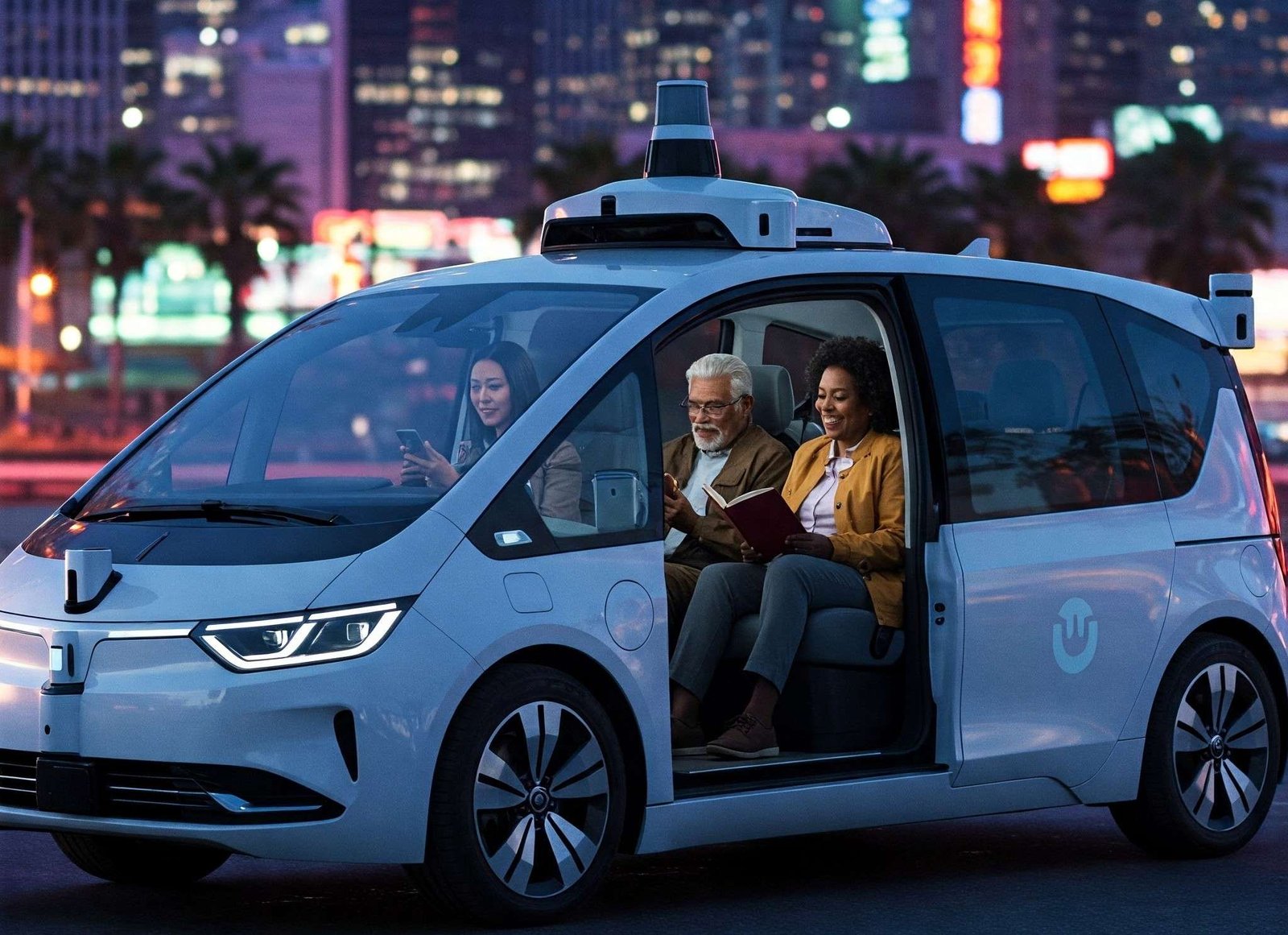
Tesla’s approach to Optimus is distinctive in its ability to leverage the company’s existing expertise in various domains. The Optimus project represents a convergence of technologies that Tesla has meticulously developed over the years. Notably, the robot’s intelligence is derived from the same advanced AI and machine learning systems that power Tesla’s Autopilot and Full Self-Driving capabilities. This includes sophisticated computer vision, neural networks for decision-making, and real-time object recognition and navigation. Moreover, Tesla’s deep understanding of battery technology ensures that Optimus can operate efficiently and for extended periods without the need for frequent recharging. Finally, Tesla’s manufacturing prowess, honed through years of vehicle production, will be instrumental in mass-producing Optimus at an affordable cost, making it accessible to a wider audience.
Key Developments and Demonstrations: Progress in Locomotion and Dexterity
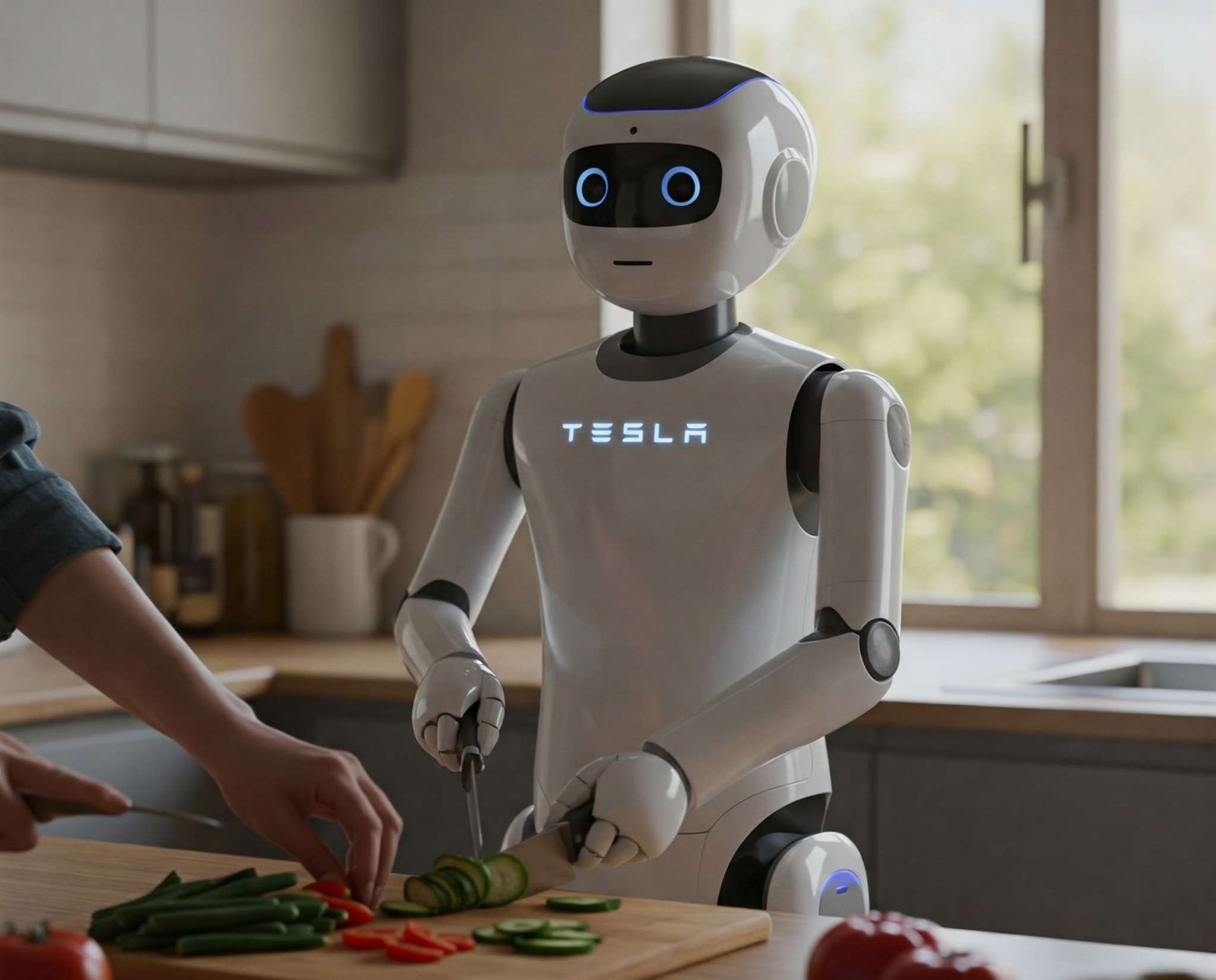
Since its initial unveiling, the Optimus project has witnessed significant advancements. Early prototypes focused on basic locomotion, demonstrating the robot’s ability to walk and perform simple movements. However, subsequent demonstrations have showcased remarkable improvements in dexterity and manipulation. Optimus has been seen performing tasks such as sorting objects, watering plants, and even playing a simple game, highlighting its growing ability to interact with its environment. These demonstrations provide tangible evidence of the progress being made in endowing Optimus with the fine motor skills necessary for real-world applications.
Challenges and Roadblocks: Achieving Autonomy and Addressing Ethical Concerns
Despite the impressive strides made in the development of Optimus, several significant challenges remain. Achieving true autonomy in complex and unpredictable environments is a daunting task. While Optimus utilizes advanced AI systems, navigating the intricacies of real-world scenarios requires a level of adaptability and decision-making that is still under development. Furthermore, endowing Optimus with human-like dexterity and the ability to manipulate objects with precision is a complex engineering challenge that requires further research and innovation. Beyond the technical hurdles, the rise of advanced humanoid robots raises important ethical and societal concerns. Job displacement, safety, and the potential for misuse are critical issues that must be addressed through careful consideration and collaboration among technologists, policymakers, and the public.
The Future of Optimus: Transforming Industries and Redefining Human-Robot Interaction
The future of Optimus remains shrouded in uncertainty, but the potential impact is undeniable. If successful, Optimus could revolutionize various industries and redefine the way humans interact with robots. In manufacturing and industry, Optimus could automate repetitive and dangerous tasks, improving efficiency and safety for human workers. In the home, Optimus could become a valuable companion, assisting with chores, providing companionship, and even helping with elderly care. Furthermore, the versatility of Optimus could make it invaluable in disaster response scenarios, such as search and rescue operations.
Conclusion: A Bold Step into the Future of Humanoid Robotics
Tesla’s Optimus represents a bold step into the future of humanoid robotics. While challenges remain, the potential for this technology to transform our world is undeniable. Continued research and development, coupled with a focus on safety and ethical considerations, will be crucial for realizing the full potential of Optimus and ushering in a new era of human-robot collaboration. The Optimus project is not merely about creating a robot; it is about shaping the future of human-robot interaction and exploring the possibilities of a world where robots seamlessly integrate into our lives, enhancing our capabilities and enriching our experiences.
FAQs
Q: What is Tesla Optimus?
A: Tesla Optimus is a general-purpose humanoid robot being developed by Tesla. It’s designed to perform a variety of tasks, potentially including manufacturing, domestic chores, and other forms of assistance.
Q: What are the key technologies behind Optimus?
A: Optimus leverages Tesla’s expertise in AI and machine learning (similar to their self-driving car technology), battery technology, and manufacturing processes.
Q: What tasks can Optimus currently perform?
A: Demonstrations have shown Optimus performing basic locomotion (walking), object manipulation (sorting, watering plants), and simple interactive tasks.
Q: When will Optimus be available to the public?
A: Tesla has not provided a definitive timeline for public availability. Development is ongoing, and the timeline could depend on technical advancements and manufacturing readiness.
Q: How much will Optimus cost?
A: Tesla aims to make Optimus affordable, but the final price is yet to be determined. Elon Musk has suggested that it will cost less than a car.
Q: What are the potential applications of Optimus?
A: Potential applications include: * Manufacturing and industrial automation. * Home assistance and domestic chores. * Elderly care and companionship. * Hazardous or repetitive tasks. * Disaster response and search and rescue.
Q: What are the main challenges Tesla faces in developing Optimus?
A: Key challenges include: * Achieving full autonomy in complex environments. * Developing advanced dexterity and fine motor skills. * Ensuring safety and reliability. * Addressing ethical and societal concerns.
Q: How is Tesla addressing safety concerns related to Optimus?
A: Tesla emphasizes safety in its design and development process, incorporating features to ensure safe human-robot interaction. They utilize the same rigorous testing procedures that are used for their self-driving car technology.
Q: Will Optimus replace human workers?
A: The impact on employment is a complex issue. Tesla believes Optimus will automate repetitive and dangerous tasks, freeing up humans for more creative and fulfilling work. However, there are concerns about potential job displacement, and these are being discussed by many experts.
Q: How does the AI in Optimus compare to Tesla’s self-driving car AI?
A: Optimus utilizes similar AI and machine learning systems as Tesla’s self-driving cars, including computer vision and neural networks. However, the application is different, requiring adaptations for humanoid movement and manipulation.
Q: What is Tesla’s long-term vision for Optimus?
A: Tesla’s long-term vision is to create a general-purpose humanoid robot that can assist humans in a wide range of tasks, ultimately improving quality of life and productivity.