
Metal tariffs, specifically those imposed on steel and aluminum, represent a form of trade protectionism enacted by a government. While intended to protect domestic industries, they can have unintended consequences, including increased costs for American consumers and a complex web of economic repercussions. Here are five categories of American goods that could see price increases due to metal tariffs, alongside a deeper dive into the market effects they create.
Understanding the Mechanics of Metal Tariffs
When a tariff is imposed on imported steel or aluminum, the price of these metals within the domestic market increases. This occurs because importers must now factor in the additional cost of the tariff, which they pass on to buyers. Consequently, domestic metal producers, who were previously facing competition from cheaper imports, can now raise their prices without losing market share. This leads to a general increase in the price of metals throughout the domestic economy.
Five American Goods Facing Potential Price Hikes:
- Automobiles: The automotive industry is heavily reliant on steel and aluminum. Increased costs for these raw materials can translate directly into higher prices for American-made cars and trucks. From the basic frame to more intricate components, the impact of metal tariffs can be felt throughout the manufacturing process.
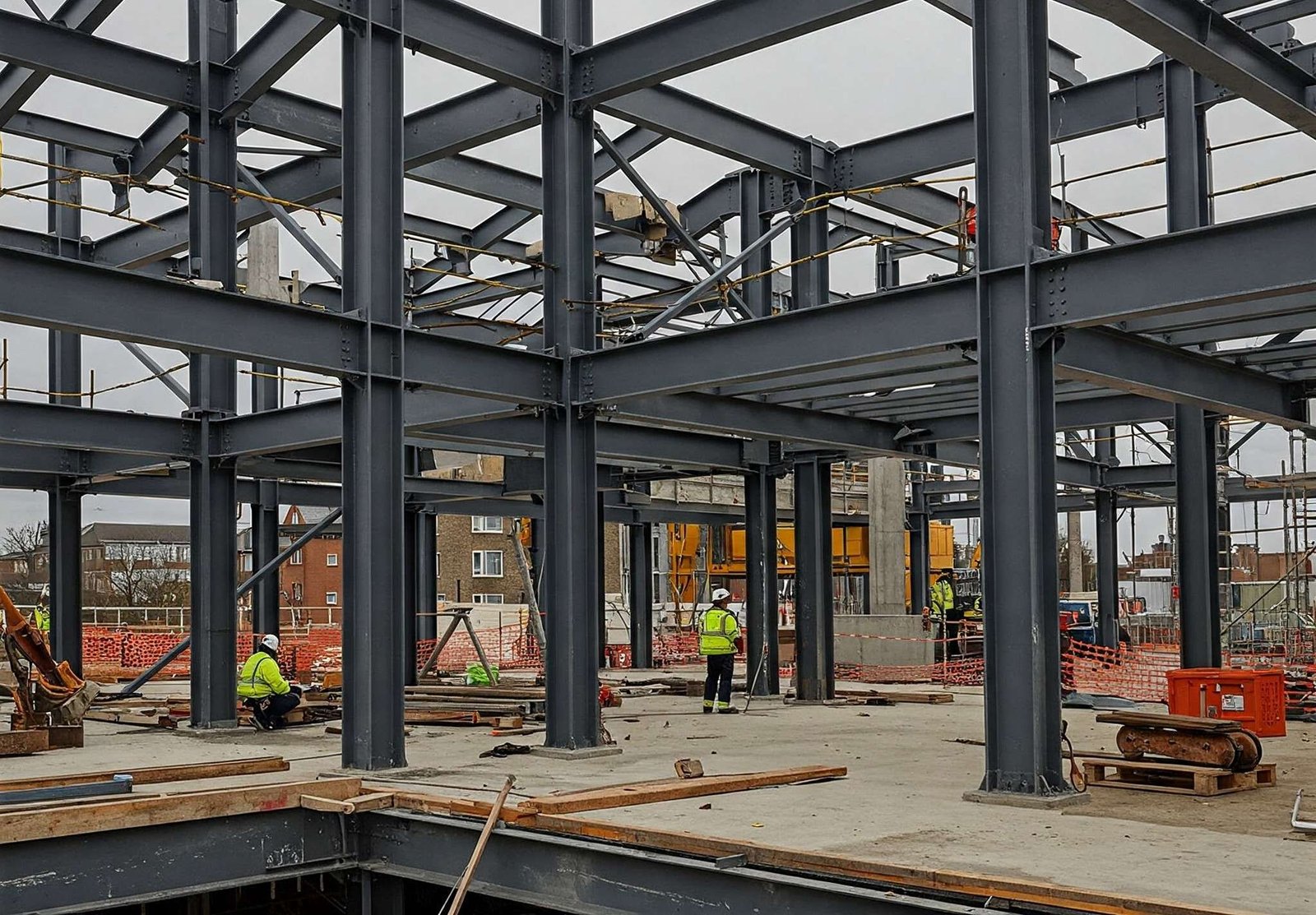
- Construction Materials: Steel is a fundamental component in the construction industry, used in everything from skyscrapers and bridges to residential homes. Tariffs on steel can lead to higher prices for steel beams, rebar, and other essential building materials. This can increase the cost of construction projects, ultimately impacting the price of new homes and commercial buildings.
- Appliances: Many household appliances, such as refrigerators, washing machines, and dryers, contain significant amounts of steel and aluminum. Tariffs on these metals can increase the manufacturing costs of these appliances, leading to higher prices for consumers.
- Consumer Electronics: While often overlooked, many consumer electronics, including smartphones, laptops, and tablets, contain metal components. Tariffs on these metals can increase the production costs of these devices, ultimately leading to higher prices for consumers.
- Manufacturing Equipment: Metal tariffs can also impact the cost of manufacturing equipment used by American businesses. This includes machinery used in various industries, such as agriculture, manufacturing, and construction. Increased costs for this equipment can reduce competitiveness and hinder economic growth.
Direct and Indirect Market Effects Beyond Price Increases:
The immediate and most visible effect of metal tariffs is the increased cost of raw materials for industries that rely heavily on steel and aluminum. However, the ripple effects extend beyond direct material costs, including:
- Reduced Competitiveness: American manufacturers who rely on these metals may become less competitive in the global market. They face higher input costs compared to foreign competitors who source their materials from countries not subject to the same tariffs. This can lead to decreased exports and a loss of market share for American companies.
- Supply Chain Disruptions: Tariffs can disrupt established supply chains, as businesses scramble to find alternative sources of metals or adjust their production processes to accommodate the higher costs. This can lead to delays, inefficiencies, and increased uncertainty.
- Inflationary Pressures: The increased cost of goods resulting from metal tariffs can contribute to inflationary pressures within the economy. As businesses pass on their higher costs to consumers, the overall price level of goods and services may rise, leading to a decline in consumer purchasing power.
- Job Losses: In industries that are heavily reliant on steel and aluminum, the increased costs and reduced competitiveness can lead to job losses. Companies may choose to reduce production, relocate operations, or even close down entirely.
- Retaliatory Tariffs: The imposition of metal tariffs by one country can lead to retaliatory tariffs from other countries. This can escalate into a trade war, with negative consequences for global trade and economic growth.
- Impact on Downstream Industries: The increased cost of steel and aluminum has a cascading effect on downstream industries that rely on products made from these metals. For example, higher steel prices can lead to increased costs for transportation equipment, agricultural machinery, and energy infrastructure.
The Balancing Act: Protectionism vs. Economic Costs
The debate surrounding metal tariffs often centers on the tension between protecting domestic industries and minimizing the economic costs to consumers and businesses. Proponents of tariffs argue that they are necessary to protect domestic jobs and industries from unfair foreign competition. Opponents argue that the economic costs outweigh the benefits, leading to higher prices, reduced competitiveness, and job losses in other sectors of the economy.
The Importance of Economic Analysis
A thorough economic analysis is crucial for evaluating the effectiveness and long-term impact of metal tariffs. This analysis should consider the direct and indirect costs, the potential benefits to domestic industries, and the overall impact on the economy. By carefully weighing the evidence, policymakers can make informed decisions about trade policies that balance the competing interests of different stakeholders.
Conclusion:
Metal tariffs, while intended to protect domestic industries, can have unintended consequences, including increased costs for American consumers. The five categories of goods mentioned above are just a few examples of how these tariffs can impact everyday life. Understanding these potential consequences is crucial for evaluating the effectiveness and long-term impact of trade policies.