
The Dawn of Micro-Precision
In an era defined by rapid technological advancement, the realm of manufacturing is undergoing a profound transformation. At the heart of this evolution lies micromanufacturing, a discipline dedicated to crafting components and products with unparalleled precision at the microscale. This burgeoning field is not merely about shrinking existing technologies; it represents a paradigm shift in how we design, create, and utilize materials, opening doors to innovations previously deemed impossible.
Redefining Manufacturing Limits
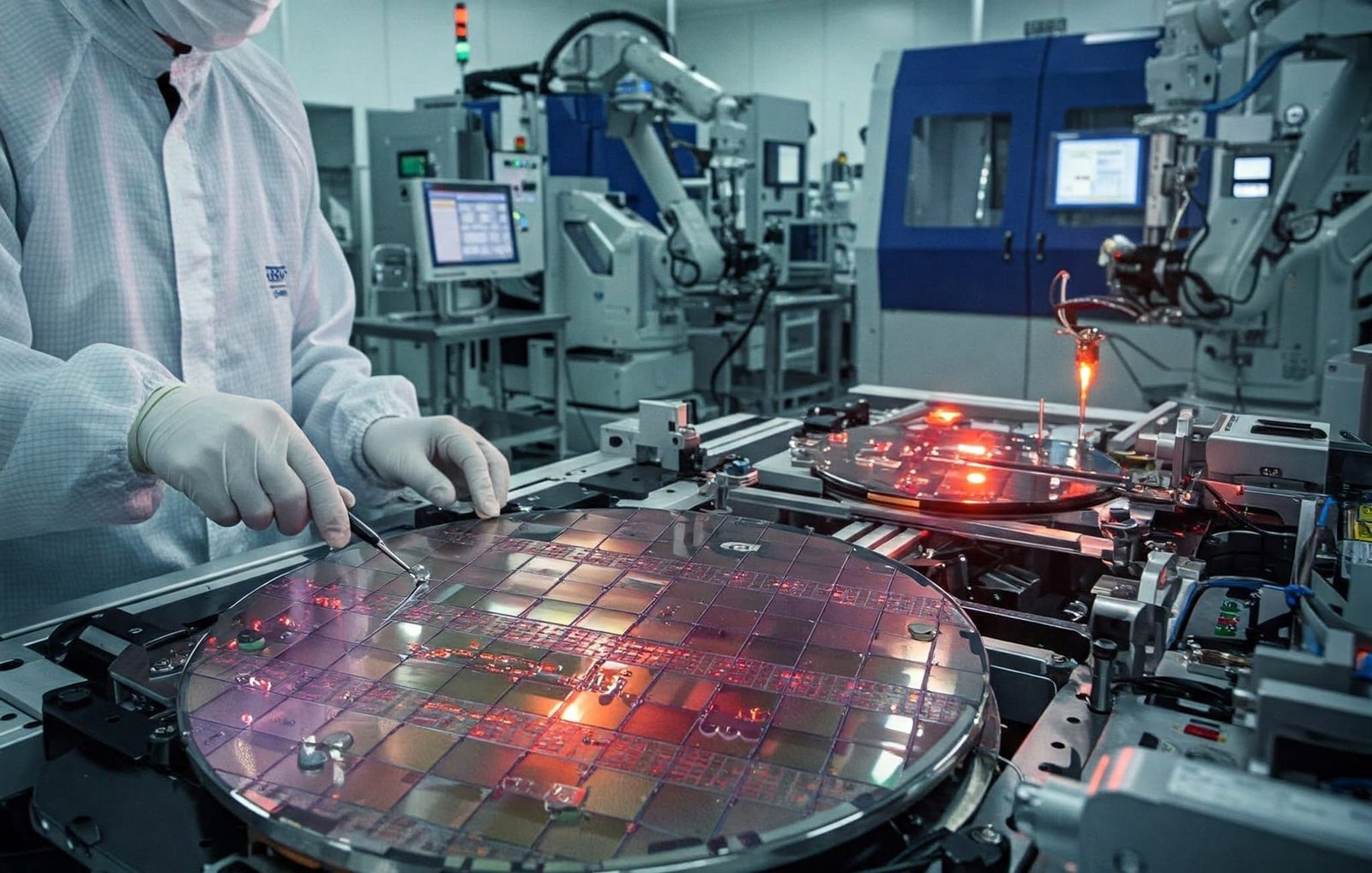
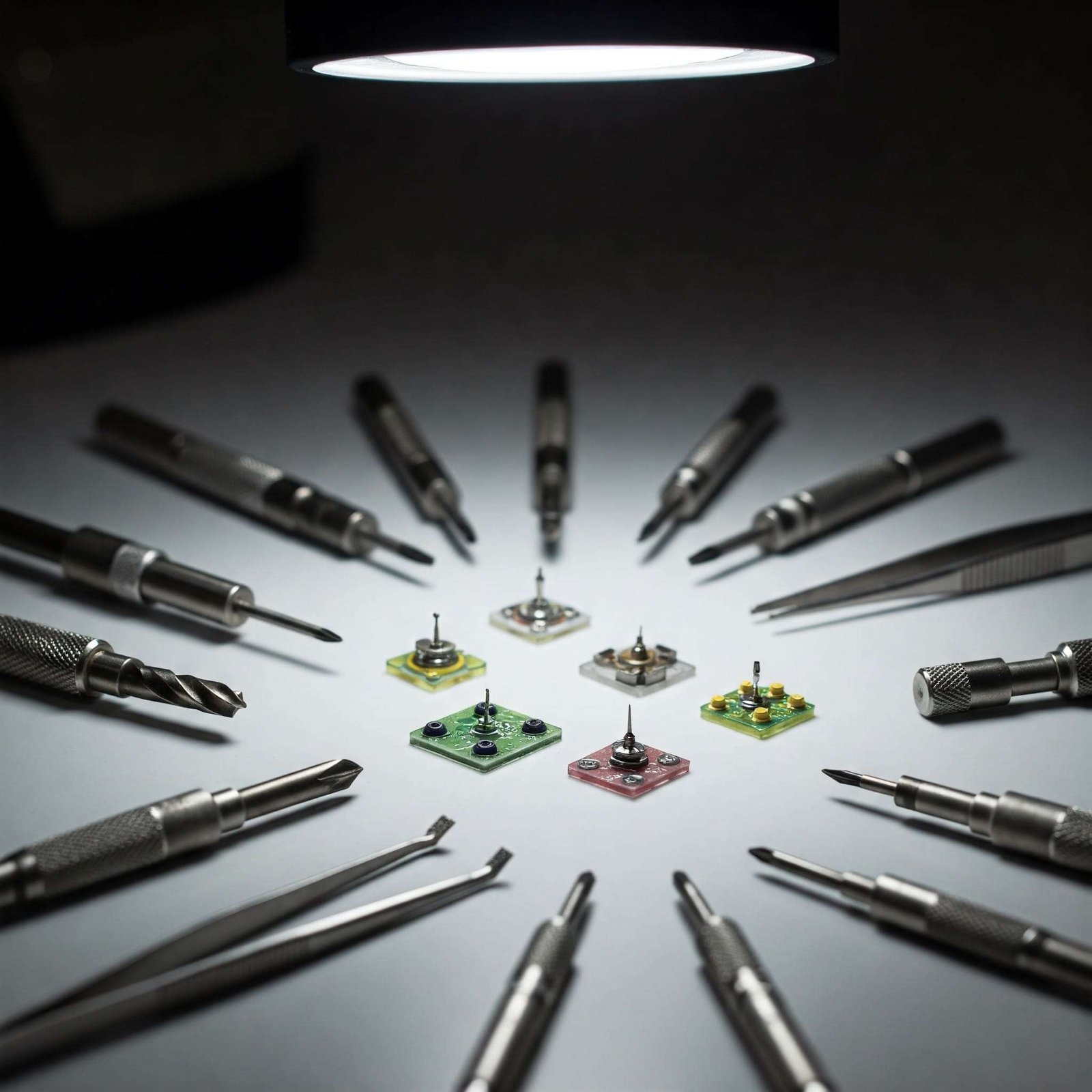
Micromanufacturing transcends traditional manufacturing by operating within dimensions measured in micrometers (millionths of a meter). This level of precision necessitates advanced techniques and technologies, including laser micromachining, micro-electrodischarge machining (micro-EDM), and advanced 3D printing methods. These tools enable the creation of intricate structures and features that were once beyond our grasp. The implications are vast, impacting industries from medicine and electronics to aerospace and beyond.
Medical Innovations at the Microscale
The medical field stands to gain immensely from micromanufacturing. Imagine microscopic robots delivering drugs directly to diseased cells, or custom-designed implants tailored to individual patients with unprecedented accuracy. Micromanufacturing makes these scenarios a reality. For example, microfluidic devices, which manipulate tiny volumes of fluids, are revolutionizing diagnostic testing and drug discovery. These devices enable rapid and precise analysis of biological samples, leading to faster and more accurate diagnoses. Furthermore, the ability to create biocompatible micro-devices is paving the way for advanced prosthetics and implantable sensors that can monitor patients’ health in real-time.
Electronics: Smaller, Faster, More Powerful
The electronics industry has long pursued the goal of miniaturization, and micromanufacturing is accelerating this trend. As consumer demand for smaller, more powerful devices continues to rise, manufacturers are turning to microscale techniques to produce components with enhanced performance and efficiency. Microprocessors, sensors, and other electronic devices are becoming increasingly compact, enabling the development of next-generation smartphones, wearables, and other cutting-edge technologies. Additionally, micromanufacturing is crucial for the production of microelectromechanical systems (MEMS), which are used in a wide range of applications, including automotive sensors, inkjet printers, and medical devices.
Aerospace and Beyond: Expanding Horizons
The aerospace industry is another major beneficiary of micromanufacturing. Lightweight, high-strength micro-components are essential for improving the efficiency and performance of aircraft and spacecraft. By reducing the size and weight of critical components, micromanufacturing contributes to fuel savings, increased payload capacity, and enhanced reliability. Beyond these core sectors, micromanufacturing is also finding applications in areas such as optics, photonics, and environmental monitoring. The ability to create precise micro-lenses, optical fibers, and sensors is enabling the development of advanced imaging systems, communication technologies, and environmental monitoring tools.
The Role of Automation and Advanced Technologies
The success of micromanufacturing relies heavily on automation and advanced technologies. Automated inspection systems, utilizing high-resolution imaging and machine learning, are crucial for ensuring the quality and consistency of micro-components. Furthermore, advanced 3D printing techniques, such as two-photon polymerization, are enabling the creation of complex three-dimensional structures with sub-micrometer precision. These technologies are not only enhancing the accuracy and efficiency of micromanufacturing but also opening up new possibilities for design and innovation.
Challenges and Future Directions
Despite its immense potential, micromanufacturing faces several challenges. The high cost of equipment and materials, the need for specialized expertise, and the complexities of working at the microscale are all factors that can hinder widespread adoption. However, ongoing research and development efforts are addressing these challenges. As technologies continue to advance and costs decrease, micromanufacturing is poised to play an increasingly important role in shaping the future of manufacturing.
The Future is Micro
In conclusion, micromanufacturing is a transformative force that is pushing the boundaries of precision and innovation. By enabling the creation of intricate micro-components and devices, this field is revolutionizing industries across the board. As we continue to explore the possibilities of the microscale, we can expect to see even more groundbreaking innovations that will shape our world in profound ways.
FAQs
Q: What is micromanufacturing? A: Micromanufacturing is the process of fabricating parts and products with dimensions measured in micrometers (millionths of a meter). It involves highly precise techniques to create intricate structures at a very small scale.
Q: How does micromanufacturing differ from traditional manufacturing? A: Traditional manufacturing typically deals with larger dimensions and tolerances. Micromanufacturing focuses on extreme precision at the microscale, requiring specialized tools and techniques not used in conventional manufacturing.
Q: What are some common micromanufacturing techniques? A: Common techniques include laser micromachining, micro-electrodischarge machining (micro-EDM), advanced 3D printing (like two-photon polymerization), and microfluidics.
Q: What industries benefit from micromanufacturing? A: Micromanufacturing has applications in medicine, electronics, aerospace, optics, photonics, and environmental monitoring, among others.
Q: How is micromanufacturing used in medicine? A: It’s used to create microfluidic devices for diagnostics, drug delivery systems, custom implants, and biocompatible micro-devices for real-time health monitoring.
Q: What role does micromanufacturing play in electronics? A: It enables the production of smaller, more powerful microprocessors, sensors, and microelectromechanical systems (MEMS) for smartphones, wearables, and other electronic devices.
Q: How does micromanufacturing contribute to the aerospace industry? A: It allows for the creation of lightweight, high-strength micro-components that improve aircraft and spacecraft efficiency, reduce fuel consumption, and increase payload capacity.
Q: What technologies are essential for micromanufacturing? A: Automated inspection systems, high-resolution imaging, machine learning, and advanced 3D printing techniques are crucial for ensuring quality and precision.
Q: What are the challenges of micromanufacturing? A: Challenges include the high cost of equipment and materials, the need for specialized expertise, and the complexities of working at the microscale.
Q: What is the future of micromanufacturing? A: Ongoing research and development are addressing current challenges. As technologies advance and costs decrease, micromanufacturing is expected to play an increasingly important role in various industries.
Q: What are MEMS? A: MEMS stands for Microelectromechanical systems. These are microscopic devices that combine electrical and mechanical components. They’re used in a variety of applications, such as sensors in cars and smartphones.
Q: What are microfluidic devices? A: Microfluidic devices are designed to manipulate and control tiny volumes of fluids. They are used in medical diagnostics, drug discovery, and chemical analysis.
Q: How does 3D printing work at the microscale? A: Advanced 3D printing techniques, such as two-photon polymerization, use lasers to solidify specific points within a liquid resin, creating complex three-dimensional structures with sub-micrometer precision.