
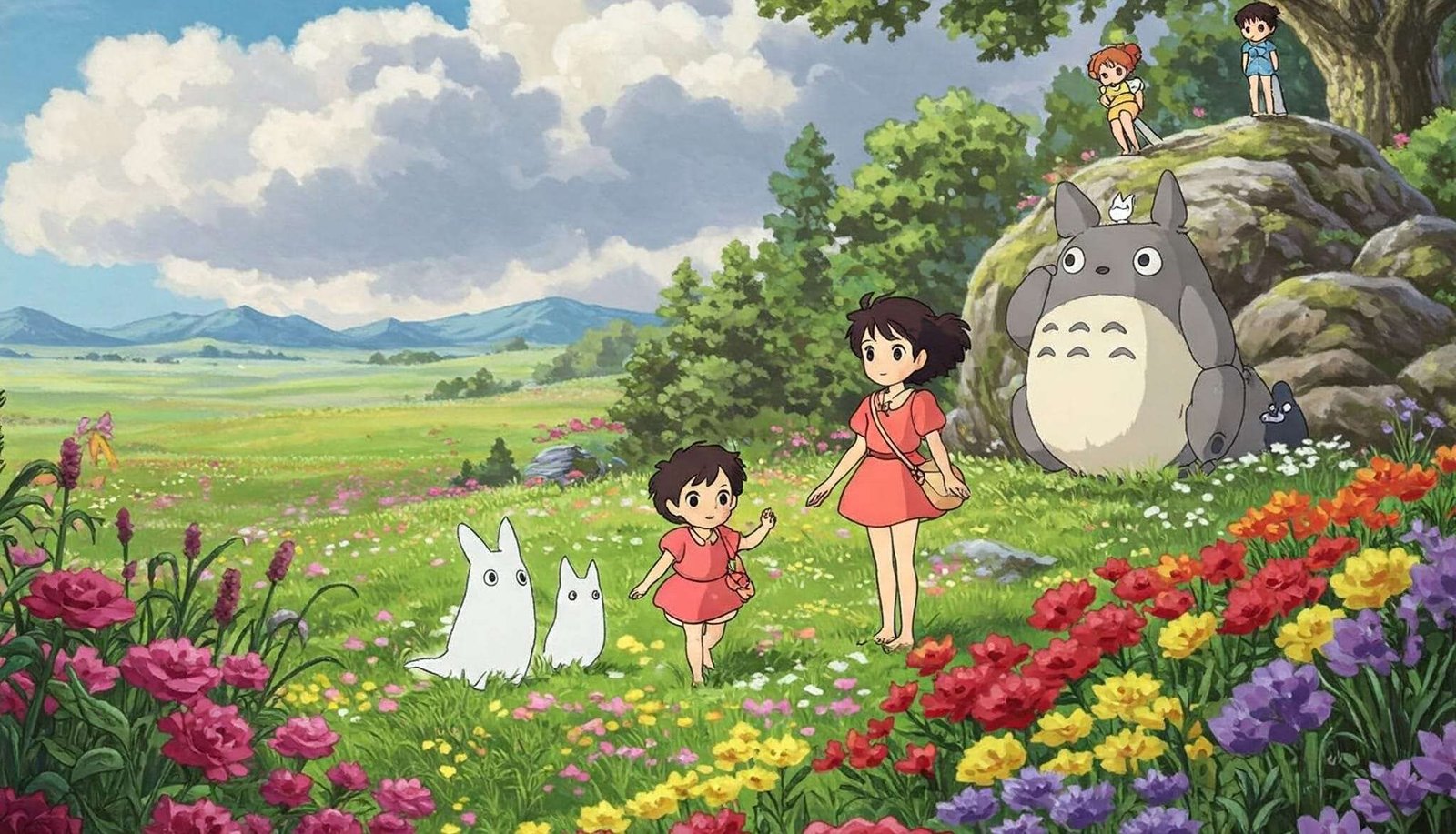
The whimsical charm of Studio Ghibli has taken the digital world by storm, with a surge in AI-generated images replicating the iconic animation style. However, this viral trend has ignited a heated debate surrounding the ethical and security implications of AI image generation tools.
Ghibli Fever: AI Transforms Reality into Animation
The recent integration of Ghibli-style image generation into popular AI platforms has unleashed a wave of creativity. Social media feeds are now flooded with portraits and landscapes rendered in the distinctive hand-drawn aesthetic of Hayao Miyazaki’s beloved films. From personal photos to internet memes, users are captivated by the ability to transform everyday imagery into scenes reminiscent of “Spirited Away” or “My Neighbor Totoro.”
This technological leap has democratized artistic expression, allowing individuals without formal training to create visually stunning artwork. The ease with which these AI tools produce captivating images has fueled their widespread adoption, showcasing the transformative power of artificial intelligence in the creative realm.
Security Concerns: A Digital Faustian Bargain?
However, the rapid proliferation of AI-generated imagery has raised serious concerns among cybersecurity experts and privacy advocates. The very nature of these tools, which require users to upload personal photos, presents potential risks.
- Data Collection and Misuse:
- Critics argue that the widespread use of these AI generators could inadvertently provide companies like OpenAI with vast troves of personal data, including facial recognition information.
- This data could be used to further train AI models, potentially without the full consent or understanding of the users.
- There are fears that collected images could be used for malicious purposes, such as deepfakes or other forms of digital manipulation.
- Copyright and Intellectual Property:
- The ability of AI to replicate artistic styles raises complex questions about copyright infringement.
- While artistic styles themselves may not be subject to copyright, the AI’s training on copyrighted material creates a legal gray area.
- Concerns exist about the potential for AI to undermine the livelihoods of human artists by replicating their work without proper compensation.
- Privacy Violations:
- The uploading of personal images to AI platforms raises concerns about the potential for privacy violations.
- There are fears that sensitive or private images could be exposed or misused, leading to emotional distress or reputational damage.
- The complications of GDPR, and similar data protection laws, are being tested by the ability of these AI programs to gather user information.
The Ethical Dilemma: Balancing Innovation and Responsibility
The Ghibli trend highlights the ethical dilemma at the heart of AI development. While these tools offer undeniable creative potential, they also pose significant risks to privacy and intellectual property.
- The need for greater transparency in how AI companies collect and use user data is paramount.
- Robust safeguards must be implemented to prevent the misuse of AI-generated imagery.
- Open discussions about the ethical implications of AI are crucial to ensure responsible development and deployment.
- The opinions of artist, such as Hayao Miyazaki, have been widely circulated, and his known dislike of AI generated imagery, has caused further ethical debate.
The digital landscape is rapidly evolving, and the rise of AI-generated imagery presents both exciting opportunities and daunting challenges. As we embrace the transformative power of AI, we must also remain vigilant in protecting our privacy and upholding the rights of creators.
FAQs
What is the Ghibli AI trend?
- It refers to the widespread use of AI image generation tools to transform photos and other visuals into styles reminiscent of Studio Ghibli animation.
What are the main security concerns associated with these AI tools?
- Concerns include potential data collection and misuse, copyright infringement, and privacy violations due to the uploading of personal images.
How could my personal data be misused by these AI platforms?
- Uploaded images could be used to train AI models without your full consent, or potentially be used for malicious purposes like creating deepfakes.
Does using these AI tools infringe on copyright?
- It raises complex questions about copyright, as AI training on copyrighted material creates a legal gray area, even if the artistic style itself isn’t directly copyrighted.
What are the potential privacy violations involved?
- Sensitive or private images could be exposed or misused, leading to emotional distress or reputational damage.
Are AI companies transparent about how they use uploaded images?
- Critics argue that there’s a lack of transparency, and greater clarity is needed on how user data is collected and used.
How can I protect my privacy while using these AI tools?
- Be cautious about uploading sensitive images, read the privacy policies of the tools, and be aware of the potential risks.
What is the ethical dilemma surrounding AI-generated art?
- Balancing the creative potential of AI with the need to protect privacy and intellectual property rights.
Are there any regulations in place to address these concerns?
- Existing regulations like GDPR are being tested, but the rapid evolution of AI technology often outpaces legislation, and more specific regulations are being discussed.
What are the opinions of actual Ghibli artist, like Hayao Miyazaki, on AI generated art?
- Hayao Miyazaki, and other Ghibli artist, have publicly expressed a strong dislike for AI generated art. This has added to the ethical debate surrounding the use of AI in art.