
A New Era of Connectivity Aloft
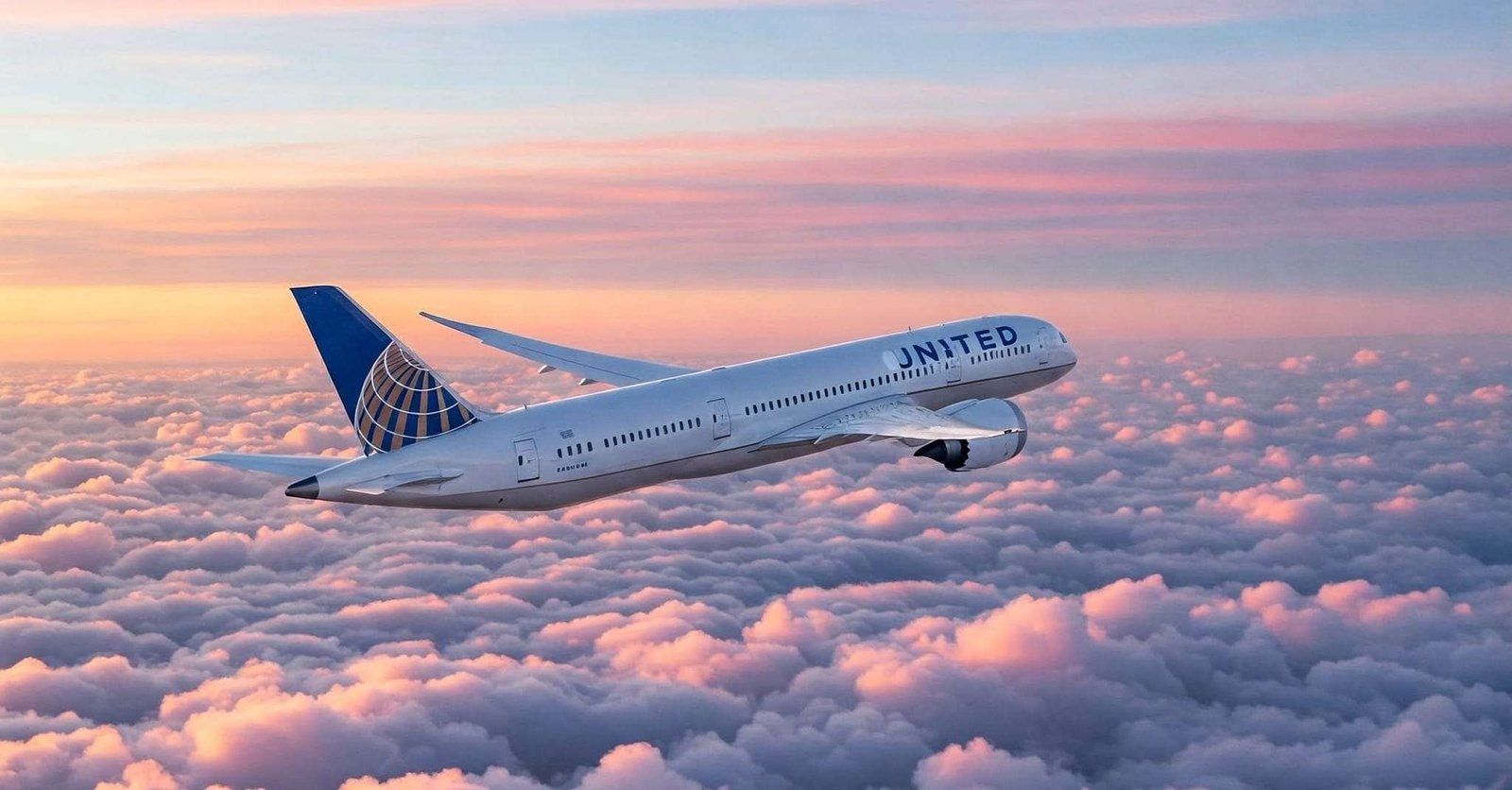
In a landmark move that promises to redefine the passenger experience, United Airlines has received Federal Aviation Administration (FAA) approval to equip its aircraft with SpaceX’s Starlink internet service.This pivotal decision marks the first time a major U.S. carrier has been granted the go-ahead to integrate the revolutionary satellite-based broadband system into its fleet, paving the way for a future where seamless, high-speed connectivity is no longer a luxury, but a standard feature of air travel. The announcement has sent ripples of excitement through the aviation industry, heralding a potential paradigm shift in in-flight entertainment and productivity.
Starlink’s Promise: Bridging the Connectivity Gap
Starlink, SpaceX’s ambitious project to deploy a constellation of low-Earth orbit (LEO) satellites, has already demonstrated its capability to deliver high-speed, low-latency internet to remote and underserved areas across the globe. By leveraging this technology, United aims to address one of the most persistent pain points of air travel: the often unreliable and sluggish in-flight Wi-Fi. Traditional air-to-ground systems, which rely on terrestrial towers, are frequently plagued by bandwidth limitations, leading to frustratingly slow speeds and patchy coverage, particularly over oceans and sparsely populated regions. Starlink, with its vast network of satellites, offers a more robust and consistent connection, promising speeds comparable to those experienced on the ground.
Initial Rollout and Fleet Integration
United’s initial rollout of Starlink will be focused on select aircraft, likely those operating on longer domestic and international routes where reliable internet connectivity is most critical. The airline has not yet disclosed the specific aircraft types that will be equipped with the system, but industry analysts speculate that wide-body jets like the Boeing 777 and 787, which are commonly used for transcontinental and intercontinental flights, will be prioritized. The integration process will involve installing specialized antennas and onboard equipment to receive and distribute the Starlink signal within the cabin. This complex undertaking will require meticulous planning and execution to ensure minimal disruption to flight schedules and passenger comfort.
Passenger Experience: A Transformative Leap
The implications of Starlink’s integration extend far beyond mere internet access. Passengers can anticipate a significantly enhanced in-flight experience, with the ability to stream high-definition videos, engage in real-time video conferencing, and seamlessly access cloud-based applications. This newfound connectivity could transform long-haul flights into productive workspaces, allowing business travelers to remain fully connected and engaged throughout their journey. For leisure travelers, Starlink opens up a world of entertainment options, enabling them to enjoy their favorite shows and movies without buffering or interruptions. Moreover, the ability to stay connected with friends and family in real-time can alleviate the sense of isolation that often accompanies long flights.
Competitive Landscape and Industry Impact
United’s pioneering move is likely to trigger a domino effect within the airline industry, with other carriers scrambling to secure their own partnerships with Starlink or other satellite internet providers. The competitive landscape for in-flight connectivity is poised for a dramatic transformation, as airlines vie to offer the most compelling passenger experience. This competition could lead to a rapid acceleration in the adoption of satellite-based internet systems, ultimately benefiting passengers with more reliable and affordable in-flight Wi-Fi. The FAA’s approval of Starlink for United marks a significant milestone in this evolution, signaling a shift towards a future where high-speed connectivity is an integral part of air travel.
Challenges and Considerations
Despite the immense potential of Starlink, its integration into commercial aviation is not without its challenges. The installation and maintenance of the necessary equipment require significant investment and technical expertise. Moreover, ensuring seamless connectivity across diverse geographic regions and weather conditions demands a robust and resilient network infrastructure. Airlines will also need to address potential security concerns related to data transmission and network access. Furthermore, pricing models for Starlink-enabled Wi-Fi will need to be carefully considered to ensure affordability and accessibility for a broad range of passengers.
The Future of In-Flight Connectivity
The FAA’s decision to approve Starlink for United Airlines represents a watershed moment in the evolution of in-flight connectivity. As satellite-based internet systems become increasingly prevalent, the passenger experience is poised for a dramatic transformation. The ability to stay seamlessly connected at 30,000 feet will not only enhance productivity and entertainment but also redefine the very nature of air travel. While challenges remain, the potential benefits of Starlink and similar technologies are undeniable. The future of in-flight connectivity is bright, and United Airlines, with its pioneering spirit, is leading the charge into this exciting new era. The ripple effects of this approval will be felt for years to come, as the airline industry adapts to the new standard of connectivity that passengers will inevitably come to expect.