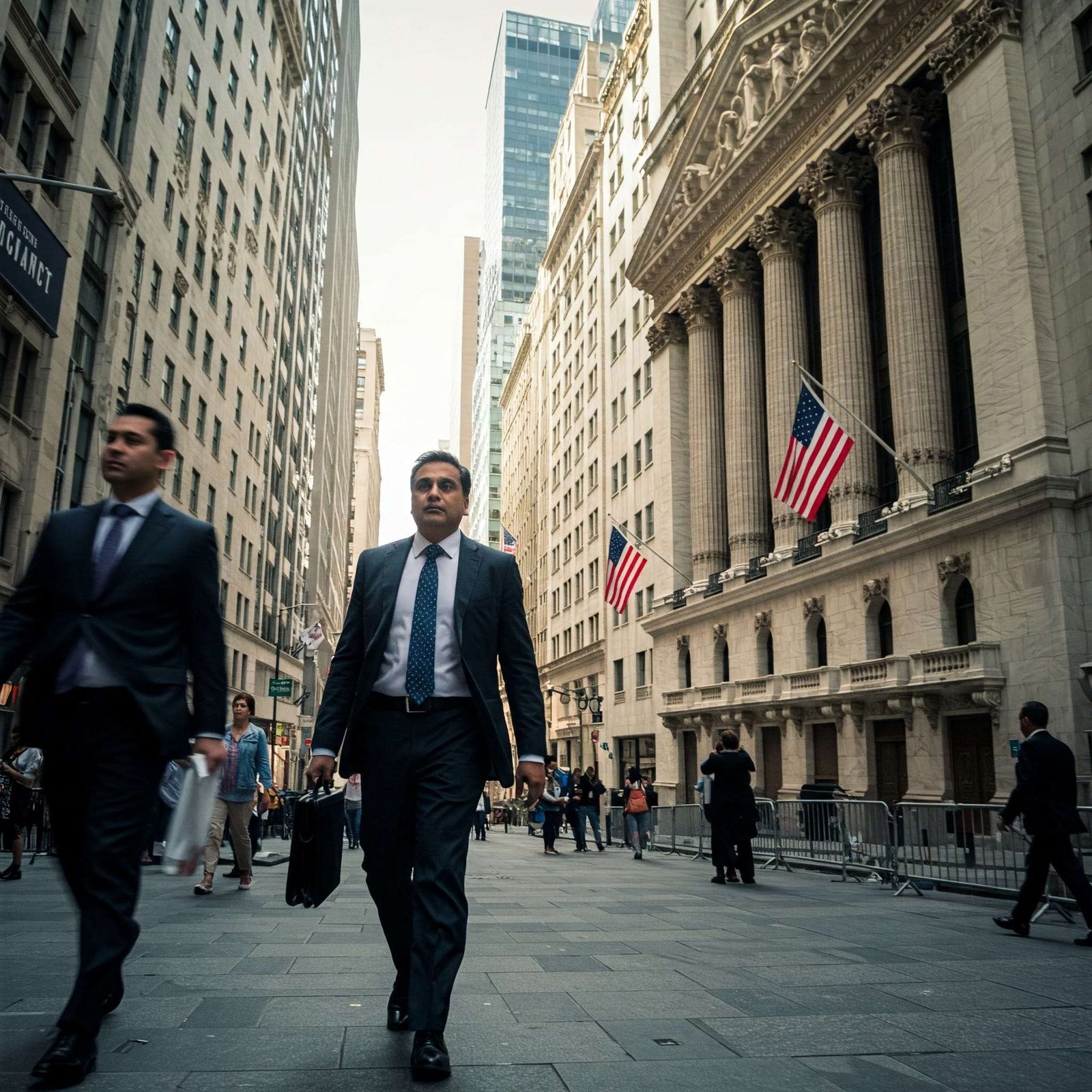

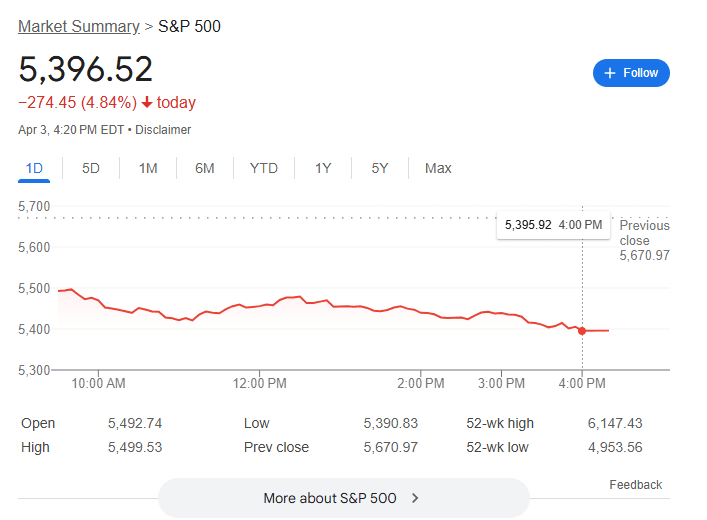
The financial markets, those complex and often volatile ecosystems, recently experienced a seismic event. A chilling cascade of sell-offs resulted in the S&P 500, a key barometer of U.S. stock market health, losing a staggering $2.4 trillion in market value. This dramatic nosedive marked the most significant single-day loss since the tumultuous early days of the COVID-19 pandemic in 2020, casting a long shadow of uncertainty over investors and economists alike.
The Convergence of Economic Pressures
To understand the magnitude of this financial quake, it’s crucial to dissect the confluence of factors that precipitated it. At the heart of the matter lies the persistent specter of inflation, a formidable economic adversary that has steadily eroded purchasing power. The Federal Reserve’s response, a series of increasingly aggressive interest rate hikes, intended to tame this inflationary beast, has inadvertently created a turbulent environment for businesses. These rising rates, while designed to cool down an overheated economy, also make borrowing more expensive, impacting corporate profitability and future growth prospects.
Adding further complexity to this economic puzzle are the geopolitical tensions that continue to reverberate across the globe. The ongoing conflict in Ukraine, with its attendant disruptions to energy and commodity markets, has amplified existing inflationary pressures and fueled investor anxiety. This combination of economic and geopolitical uncertainty has created a perfect storm, where market volatility becomes a dominant feature.
Technological Downturn and Investor Psychosis
The technology sector, a powerhouse that has been a significant driver of market growth in recent years, bore the brunt of this financial onslaught. Companies that once represented the epitome of innovation and high-growth potential saw their valuations crumble. This reversal of fortune can be attributed, in part, to investor concerns that rising interest rates would compress the present value of their future earnings. The high valuation of many of the technology stocks, that relies heavily on future projections of income, is particularly vulnerable to rises in interest rates.
Furthermore, The sheer speed and size of the decline have triggered a wave of fear and uncertainty among investors. Market psychology, often a powerful force in driving investor behavior, has taken a decidedly bearish turn. The fear of missing out, which fueled the market’s previous ascent, has been replaced by the fear of further losses, prompting a rush to sell and further exacerbate the market’s decline.
The Shadow of Recession and the Call for Prudence
Beyond the immediate financial losses, this market downturn has ignited concerns about a potential recession. The prospect of a significant economic slowdown, characterized by declining economic activity and rising unemployment, looms large. Investors are now forced to grapple with the possibility of a more prolonged period of economic hardship, which could further dampen market sentiment and prolong the period of heightened volatility.
In response to this turbulent environment, financial experts are urging investors to exercise prudence and adopt a strategic approach to their investment portfolios. Diversification, a cornerstone of sound investment practice, is being emphasized as a means of mitigating risk. Investors are also being advised to focus on their long-term financial goals, rather than succumbing to the temptation of short-term market fluctuations.
A Period of Uncertainty and Resilience
While the immediate future of the market remains shrouded in uncertainty, it is crucial to remember that markets have demonstrated remarkable resilience throughout history. Market downturns, while painful in the short term, are often followed by periods of recovery and growth. Investors who maintain a long-term perspective and adhere to disciplined investment strategies are best positioned to weather the current storm and emerge stronger.
Essentially this event serves to highlight the intrinsic risk associated with investing. And serves as a lesson for investers to maintain calculated risk management and long term plans. In a world with increasing economic and geopolitical instability these types of events are likely to continue.