
Taiwan Semiconductor Manufacturing Co. (TSMC), the world’s leading contract chip manufacturer, has announced a robust first-quarter revenue performance for 2025, demonstrating the enduring strength of its market position and its ability to capitalize on burgeoning technological trends. The company revealed that its revenue for the first three months of the year surged by an impressive 42% compared to the same period last year, reaching NT$839.3 billion ($25.6 billion). This figure not only represents substantial year-over-year growth but also slightly surpasses market forecasts, signaling a strong start to the fiscal year for the semiconductor giant. The positive revenue announcement underscores TSMC’s critical role in the global technology supply chain and its sensitivity to the fluctuating demands of various sectors, particularly the rapidly expanding artificial intelligence market.
AI Boom Fuels TSMC’s Revenue Growth, Offsetting Consumer Electronics Slowdown
The stellar first-quarter revenue figures for TSMC are largely attributed to the escalating demand for advanced semiconductor chips that power artificial intelligence applications. As AI continues to permeate various industries and consumer technologies, the need for high-performance computing chips, a key area of TSMC’s expertise, has witnessed a significant upswing. This surge in AI-related demand has effectively offset the tapering off of the pandemic-induced demand for chips used in consumer electronics such as tablets and personal computers. During the height of the pandemic, remote work and increased digital consumption fueled unprecedented demand for these devices, leading to a corresponding surge in semiconductor orders. However, as these trends normalize, the demand for these specific chip categories has cooled. TSMC’s ability to pivot and leverage the burgeoning AI market highlights its adaptability and its strategic importance to the most cutting-edge sectors of the technology landscape. The company’s advanced manufacturing processes and its close relationships with leading AI chip designers like Nvidia have positioned it as a primary beneficiary of this transformative technological shift.
Despite Earthquake Impact, Revenue Aligns with Company Guidance
Interestingly, TSMC’s revenue performance aligns closely with the company’s own projections, even after accounting for a $161 million loss incurred due to an earthquake that struck Taiwan in January. This resilience in the face of an unexpected operational disruption speaks volumes about TSMC’s robust business continuity planning and its ability to maintain production despite unforeseen challenges. While the earthquake did have a tangible financial impact, the overall demand for TSMC’s advanced chips remained strong enough to absorb this setback and still deliver revenue slightly ahead of consensus estimates. This demonstrates the fundamental strength of TSMC’s underlying business and the mission-critical nature of its products for its global customer base. The fact that the revenue landed within the previously issued guidance, even considering the earthquake’s impact, will likely reassure investors about the company’s operational efficiency and forecasting accuracy.
TSMC Stock Plummets Amidst Geopolitical Tensions Despite Strong Fundamentals
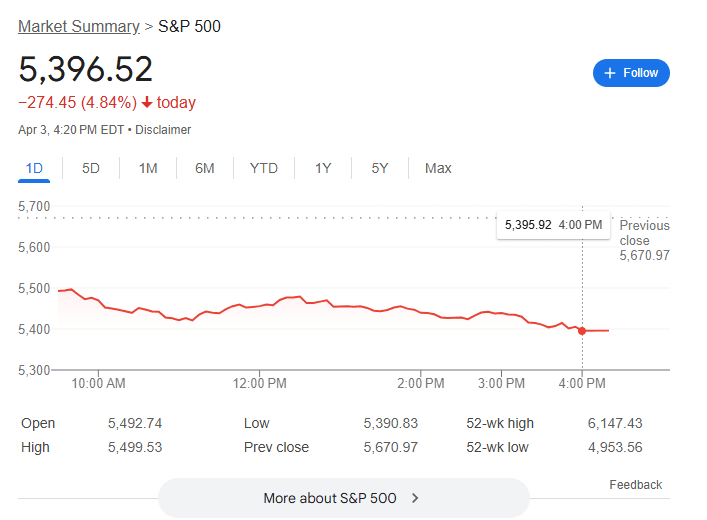
Despite the positive news regarding its first-quarter revenue, TSMC’s stock has experienced a significant downturn so far this year. This apparent disconnect between the company’s strong financial performance and its stock market valuation can be primarily attributed to escalating geopolitical tensions, particularly those surrounding US-China trade relations and the broader implications for the semiconductor industry. The recent announcement of across-the-board import tariffs by the US administration, although not yet directly targeting semiconductors, has injected a significant degree of uncertainty into the market. As a global company with intricate supply chains and a significant international customer base, TSMC is particularly sensitive to shifts in trade policy and geopolitical dynamics. Concerns about potential future restrictions or disruptions to the flow of goods and technology have weighed heavily on investor sentiment, contributing to the stock’s decline. The semiconductor industry, being a critical component of global technology infrastructure, often bears the brunt of such geopolitical anxieties.
Tariff Pause Provides Temporary Relief, but Underlying Concerns Remain
Following the initial shock of the tariff announcement, a subsequent pause in their implementation offered some temporary relief to TSMC’s stock, leading to a notable climb on the Taipei stock exchange. This rebound suggests that while investors remain concerned about the potential long-term impacts of trade tensions, any indication of de-escalation or delay in the imposition of tariffs is viewed positively. However, the underlying geopolitical risks and the potential for future trade-related disruptions continue to cast a shadow over the semiconductor sector. Investors will likely remain vigilant, closely monitoring developments in international trade relations and assessing the potential implications for TSMC’s future performance and its global operations. The temporary reprieve offered by the tariff pause does not negate the fundamental uncertainties that have contributed to the stock’s downward trajectory this year.
Eyes on April 17: Fuller Q1 Earnings Report and Future Outlook
While the preliminary first-quarter revenue figures offer a positive snapshot of TSMC’s recent performance, the market is now keenly awaiting the company’s fuller earnings report, scheduled for release on April 17th. This comprehensive report will provide a more detailed picture of TSMC’s profitability, including gross margins and net income, as well as crucial insights into the company’s outlook for the current quarter and the remainder of the year. Investors and analysts will be particularly interested in TSMC’s commentary on future demand trends across its various business segments, its assessment of the competitive landscape, and any potential impacts from ongoing geopolitical uncertainties. The earnings call following the report will also be closely watched for any updates on TSMC’s capital expenditure plans, its progress in advanced technology development, and its strategies for navigating the evolving global semiconductor ecosystem. The fuller earnings report and the accompanying guidance will be critical in shaping market expectations for TSMC’s future performance and potentially influencing the direction of its stock price in the coming months. The details shared on April 17th will provide a more complete understanding of the interplay between TSMC’s strong operational performance and the external factors influencing investor sentiment.