
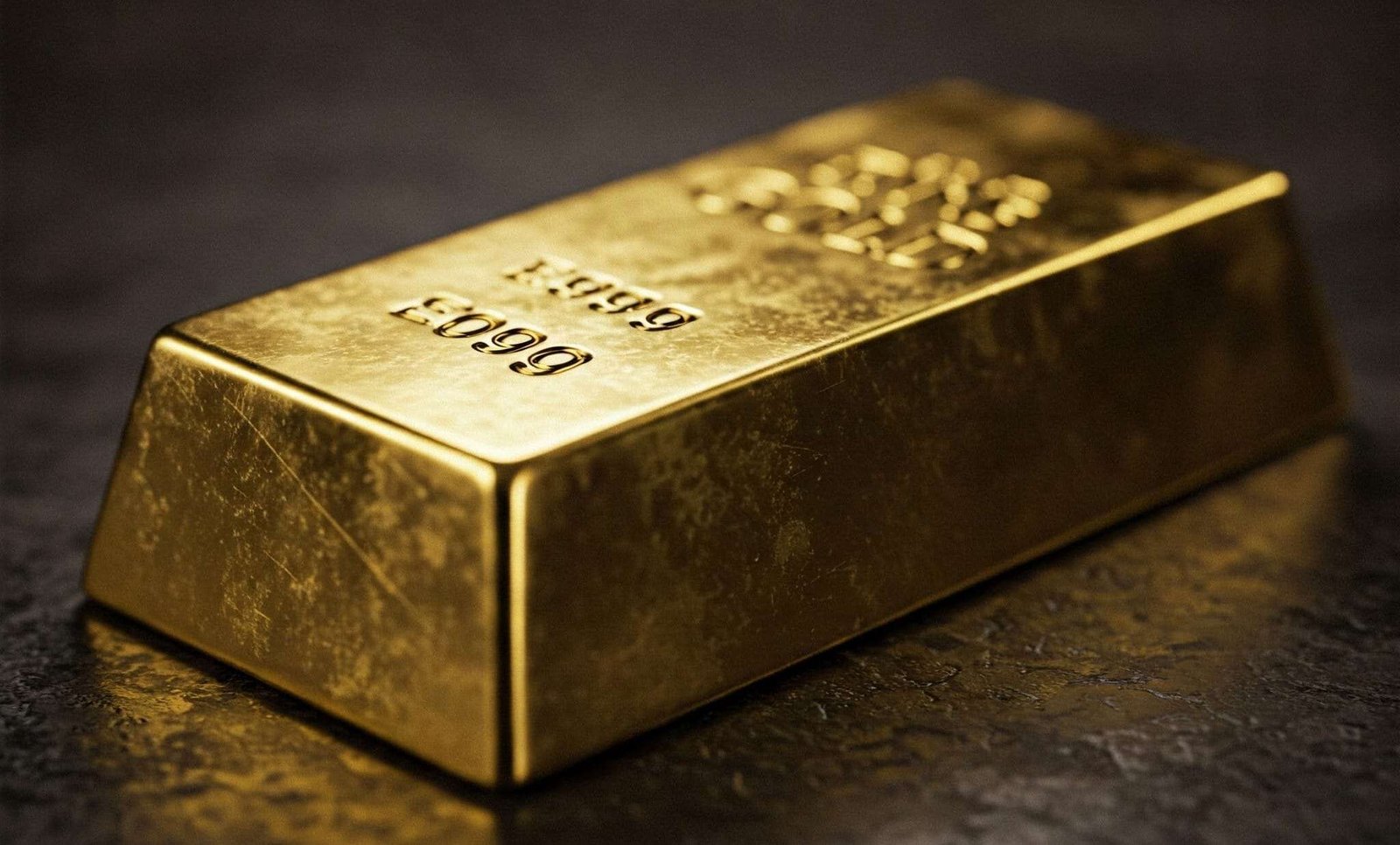
The global financial markets have witnessed a significant milestone as the price of gold surged past the $3,000 mark for the first time in history. This unprecedented rise is largely attributed to escalating trade tensions and the resulting economic uncertainties that have gripped the world. Investors, seeking safe-haven assets, have flocked to gold, driving its value to record highs.
A Surge Driven by Uncertainty
The primary catalyst for gold’s remarkable ascent is the heightened level of uncertainty permeating global trade. Recent policy shifts and renewed trade disputes between major economic powers have created a climate of anxiety among investors. This nervousness has caused a flight to safety, with gold being a traditional and reliable asset during times of economic turmoil. The increase in trade protectionism, including implementation of new tarrifs, has sparked fears of increased inflation, and economic slowdown. Gold is seen as a hedge against those possibilities.
The Impact of Geopolitical Factors
Beyond trade tensions, geopolitical factors are also playing a crucial role in gold’s price surge. Ongoing international conflicts and political instability in various regions of the world have further amplified investor concerns. In times of global uncertainty, gold’s status as a stable store of value becomes even more appealing. Central bank purchasing of Gold has also been a very strong factor in the price increases. Many central banks have been increasing their gold reserves, further adding to the demand.
Investor Sentiment and Market Reactions
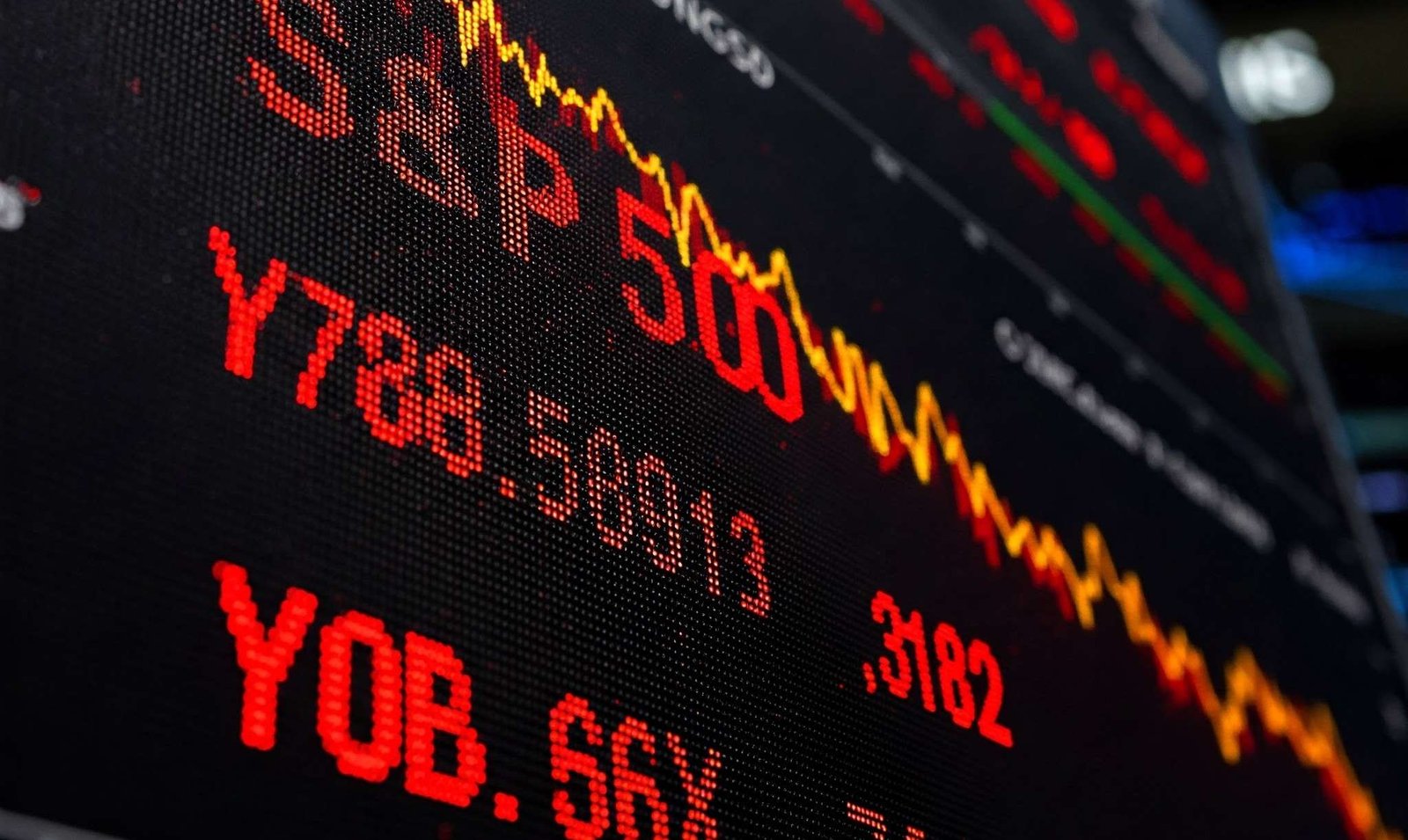
The psychological impact of gold reaching the $3,000 threshold cannot be overstated. This milestone has reinforced investor confidence in gold as a safe-haven asset. The “fear of missing out” phenomenon is also contributing to the surge, as investors who previously hesitated now rush to acquire gold. This influx of investment has further propelled the price upwards. The equity markets have shown increased volatility, and that has also pushed investors towards the safety of gold.
Central Bank Influence and Economic Policies
Central bank policies and economic indicators are also significant drivers of gold prices. Decisions regarding interest rates, inflation targets, and quantitative easing measures can have a substantial impact on investor sentiment and the value of gold. Furthermore, the actions of central banks in accumulating gold reserves contribute to the overall demand and price stability of the precious metal. The strength of the U.S. dollar also plays a role, as gold is priced in dollars, a weaker dollar can make gold more attractive to foreign investors.
Looking Ahead: The Future of Gold Prices
Predicting the future of gold prices is inherently challenging, as they are influenced by a complex interplay of factors. However, as long as trade tensions and geopolitical uncertainties persist, gold is likely to remain a favored asset among investors. Analysts suggest that the $3,000 mark may serve as a new baseline, with potential for further increases. It is important to remember that gold prices can be volatile, and any shift in global economic conditions could lead to price fluctuations.
The Role of Gold in a Diversified Portfolio
For many investors, gold serves as a valuable component of a diversified portfolio. Its ability to act as a hedge against inflation and economic uncertainty makes it a crucial asset during turbulent times. While gold may not offer the same potential for high returns as other investments, its stability and reliability provide a sense of security in an unpredictable market. The current market conditions have reinforced the importance of holding gold as a hedge against many different economic factors.
FAQs
Q: Why has the price of gold reached $3,000?
A: The primary reasons are escalating global trade tensions, geopolitical uncertainties, and investor demand for safe-haven assets. These factors have created a climate of economic anxiety, driving investors to gold as a stable store of value.
Q: What are trade tensions and how do they affect gold prices?
A: Trade tensions refer to disputes between countries regarding tariffs, trade agreements, and economic policies. These tensions create uncertainty about global economic growth and inflation, leading investors to seek safe-haven assets like gold.
Q: Is gold a good investment during times of economic uncertainty?
A: Historically, gold has been considered a safe-haven asset during periods of economic uncertainty. Its value tends to rise when other investments, like stocks, become volatile.
Q: How do geopolitical factors influence gold prices?
A: Geopolitical factors, such as international conflicts and political instability, increase investor anxiety. This drives demand for gold as a secure asset, pushing its price higher.
Q: What role do central banks play in gold prices?
A: Central banks influence gold prices through their monetary policies (e.g., interest rates, quantitative easing) and by their purchases of gold reserves. Increased central bank demand for gold can contribute to price increases.
Q: Can the price of gold go higher than $3,000?
A: Yes, it’s possible. Gold prices are influenced by numerous factors, and if trade tensions and economic uncertainties persist or worsen, the price could continue to rise. However, gold prices are also volatile and could decrease.
Q: Is it a good time to invest in gold now?
A: Whether it’s a “good” time depends on your individual investment goals and risk tolerance. Gold can be a valuable part of a diversified portfolio, especially during uncertain times. However, it’s essential to consult with a financial advisor before making any investment decisions.
Q: How does the US dollar affect gold prices?
A: Gold is priced in US dollars, so a weaker dollar typically makes gold more attractive to foreign investors, potentially increasing demand and prices. Conversely, a stronger dollar can have the opposite effect.
Q: What is the “fear of missing out” (FOMO) and how does it affect the gold market?
A: FOMO refers to the anxiety of missing out on potential gains. When gold prices rise rapidly, investors who were previously hesitant may rush to buy gold, further driving up demand and prices.
Q: What are some risks associated with investing in gold?
A: Gold prices can be volatile and are influenced by numerous factors, making them unpredictable. There are also storage and security concerns associated with physical gold. Additionally, gold does not generate income like stocks or bonds.