

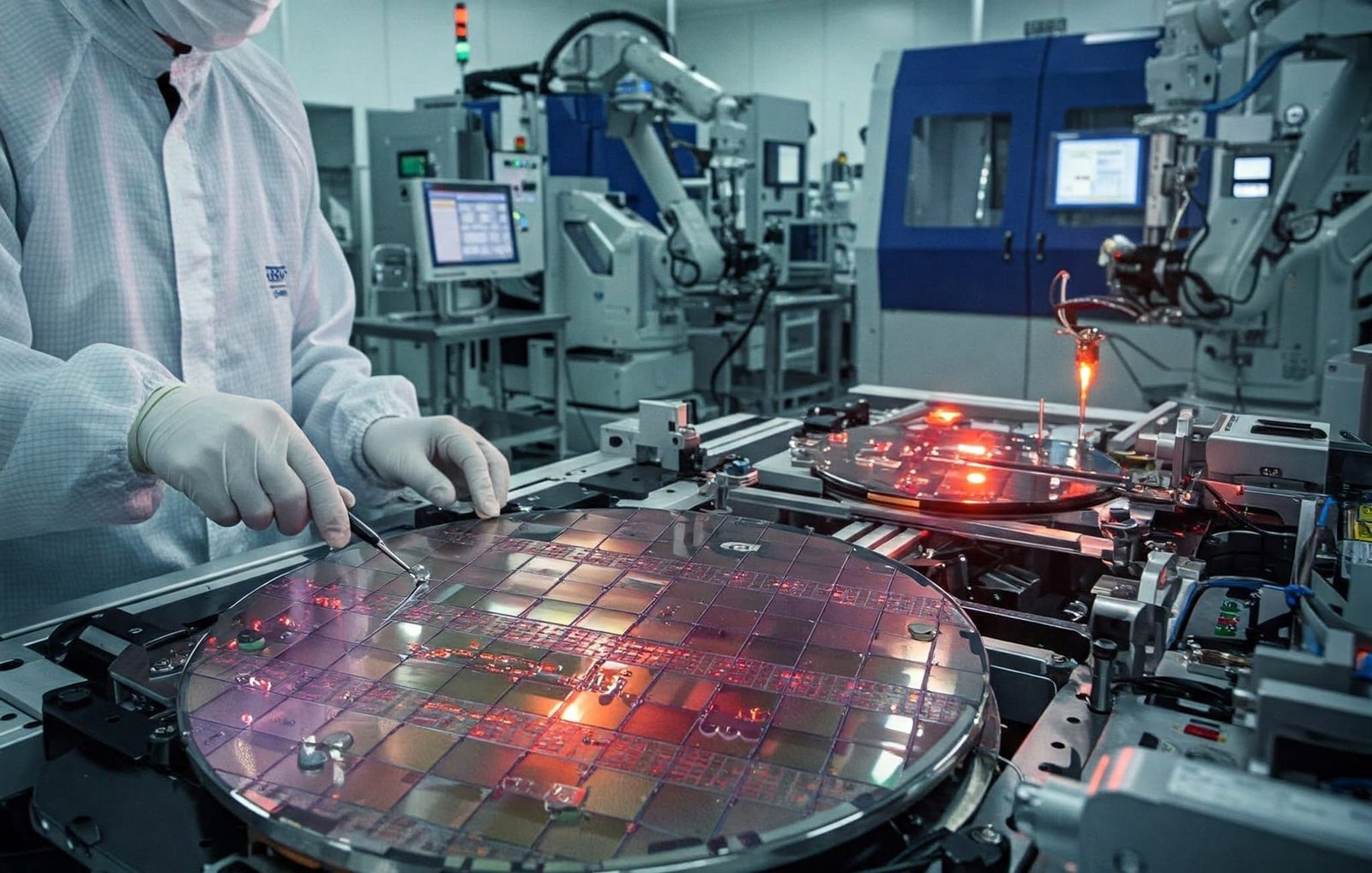
In a move that could reshape the global semiconductor landscape, industry giants Intel and TSMC are reportedly in preliminary discussions to form a joint venture focused on advancing chip manufacturing technology. The news, first reported by The Information, has sent shockwaves through the tech world, sparking speculation about the potential implications for both companies and the broader industry.
The Potential Benefits of a Joint Venture
A partnership between Intel and TSMC, two of the world’s leading chipmakers, could yield significant benefits for both companies. Intel, which has been struggling to regain its dominance in the semiconductor manufacturing sector, could gain access to TSMC’s advanced manufacturing processes, enabling it to produce more competitive chips. TSMC, on the other hand, could benefit from Intel’s expertise in chip design and its strong relationships with major customers in the PC and data center markets.
The Challenges and Uncertainties
However, a joint venture between these two behemoths would also present significant challenges. The two companies have historically been fierce competitors, and there could be concerns about potential conflicts of interest. Additionally, regulatory hurdles could pose a significant obstacle to the deal, as antitrust authorities may scrutinize the partnership to ensure it does not stifle competition.
The Broader Implications for the Semiconductor Industry
A successful joint venture between Intel and TSMC could have far-reaching implications for the global semiconductor industry. It could accelerate the pace of innovation in chip manufacturing, leading to smaller, faster, and more energy-efficient chips. This could have a ripple effect on various industries, from smartphones and computers to automobiles and artificial intelligence.
Conclusion
While the details of the proposed joint venture remain unclear, the mere possibility of such a collaboration has ignited a wave of speculation and excitement in the tech world. If the deal comes to fruition, it could mark a turning point in the semiconductor industry, ushering in a new era of cooperation and innovation. However, the road ahead is likely to be fraught with challenges, and the success of the venture will depend on the ability of the two companies to navigate the complexities of such a partnership.