
The specter of a recession continues to hang over the US economy, creating a climate of uncertainty for businesses and consumers alike. While economic indicators present a mixed picture, a careful market study reveals a complex interplay of factors that could tip the scales towards a downturn. This article delves into the key aspects of this ongoing debate, analyzing the data and perspectives that shape our understanding of the current economic landscape.
The Contradictory Signals: Growth vs. Caution
On the surface, certain economic figures appear reassuring. The labor market, for instance, has demonstrated remarkable resilience, with consistently low unemployment rates. Consumer spending, while showing signs of moderation, has remained relatively robust. However, beneath this veneer of stability lie concerning trends. Inflation, though cooling, remains stubbornly above the Federal Reserve’s target, forcing them to maintain a restrictive monetary policy. This policy, while intended to curb inflation, carries the risk of slowing economic growth and potentially triggering a recession.
The Inflation Conundrum: A Persistent Challenge
The battle against inflation has been a central focus of economic policy in recent months. While the rate of price increases has slowed from its peak, core inflation, which excludes volatile food and energy prices, remains elevated. This suggests that inflationary pressures are deeply entrenched in the economy, making it difficult for the Federal Reserve to achieve its desired target. The persistence of inflation necessitates a continued tightening of monetary policy, which could further dampen economic activity.
The Federal Reserve’s Tightrope Walk: Balancing Inflation and Growth
The Federal Reserve faces a delicate balancing act. They must navigate the competing priorities of controlling inflation and maintaining economic growth. The tools at their disposal, primarily interest rate adjustments, have a dual impact. Higher interest rates can curb inflation by reducing demand, but they also increase borrowing costs for businesses and consumers, potentially leading to a slowdown in investment and spending. The Federal Reserve’s ability to fine-tune its policy and achieve a “soft landing,” where inflation is brought under control without triggering a recession, remains a central question.
The Consumer’s Perspective: Shifting Spending Patterns
Consumer spending, a key driver of the US economy, has shown signs of moderation. While overall spending remains positive, there has been a shift in consumer behavior. Consumers are becoming more price-sensitive, cutting back on discretionary spending and prioritizing essential goods and services. This shift reflects growing concerns about the economy and the impact of inflation on household budgets. The consumer’s shift can be seen in the rise of “buy now pay later” programs, and a decrease in savings.
The Business Outlook: Investment and Uncertainty
Businesses are also facing increased uncertainty. Rising interest rates and concerns about a potential recession are impacting investment decisions. Many companies are adopting a cautious approach, delaying or scaling back capital expenditures. This reduced investment can further contribute to an economic slowdown.
The Global Context: External Factors and Interconnectedness
The US economy does not operate in isolation. Global economic conditions also play a significant role. The war in Ukraine, supply chain disruptions, and the economic slowdown in other major economies can all have ripple effects on the US. These external factors add to the complexity of the economic outlook and increase the potential for unforeseen shocks.
The Market’s Verdict: A Cautious Outlook
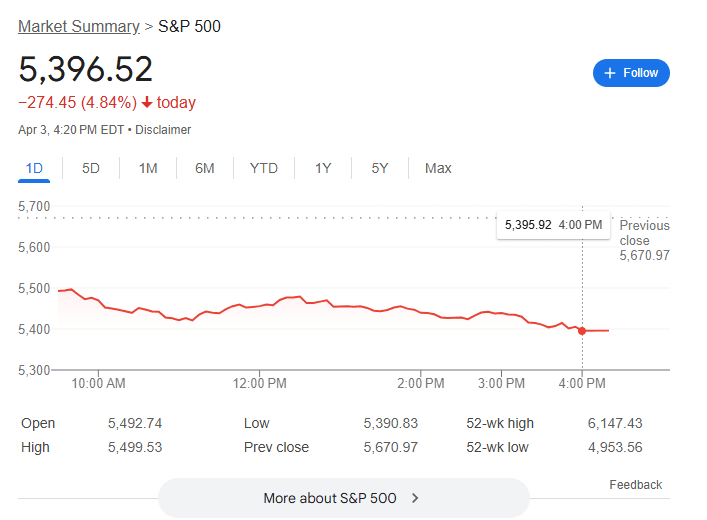
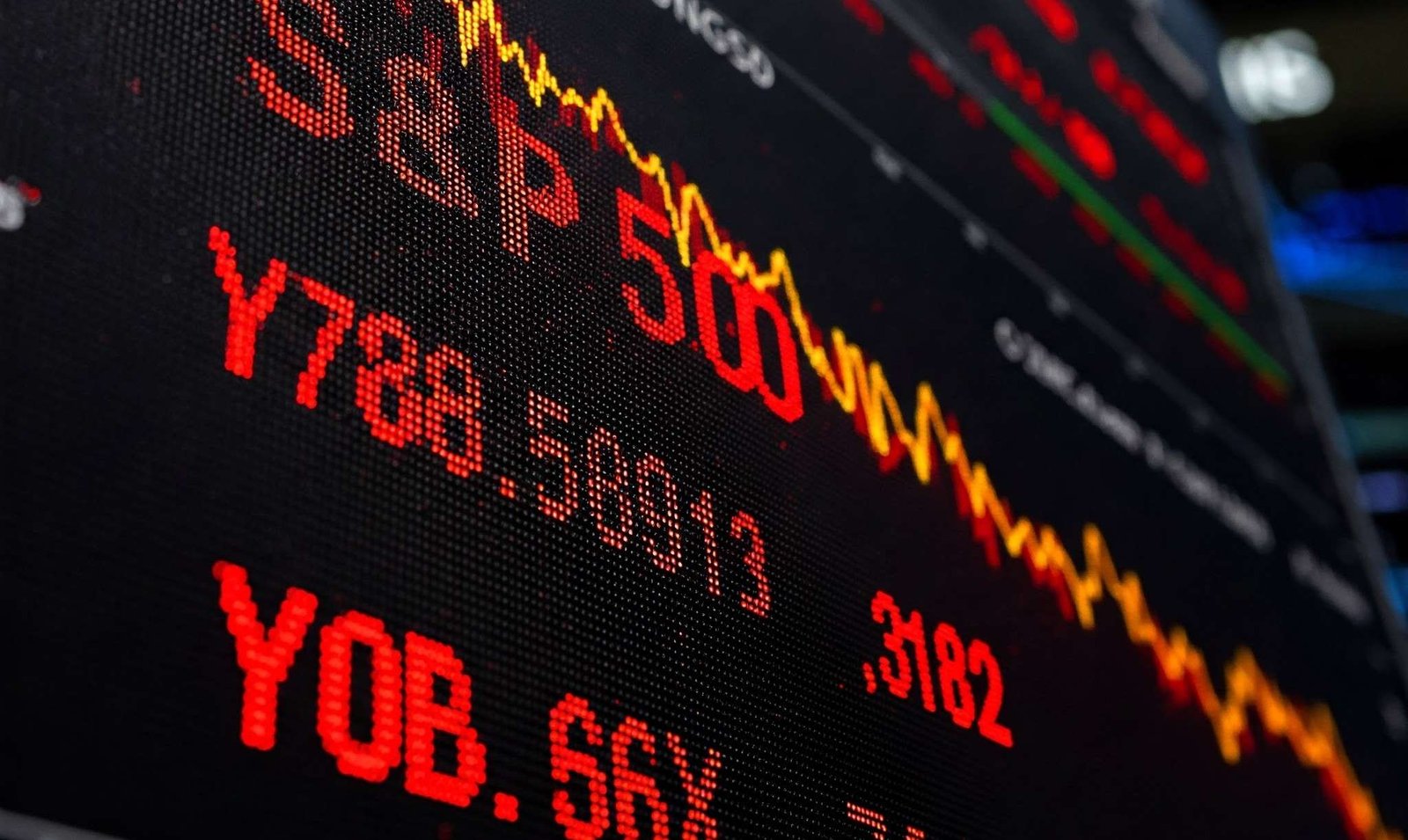
Financial markets reflect the prevailing uncertainty. Stock market volatility and fluctuations in bond yields indicate investor concern about the potential for a recession. Many economists and market analysts are predicting a period of slower growth or even a mild recession in the coming months.
The Path Forward: Navigating Uncertainty
The question of whether the US is heading towards a recession remains unanswered. The economic landscape is complex and dynamic, with numerous factors influencing the outcome. The Federal Reserve’s policy decisions, consumer and business behavior, and global economic conditions will all play a crucial role in shaping the future. While the risk of a recession is real, it is not inevitable. By carefully monitoring economic indicators and adapting to changing conditions, policymakers and businesses can navigate the uncertainty and potentially mitigate the impact of a downturn.
Disclaimer: This information is for general knowledge and informational purposes only and does not constitute financial, investment, or legal advice.